Health and Safety Policy for Commercial Waste Millbank Operations
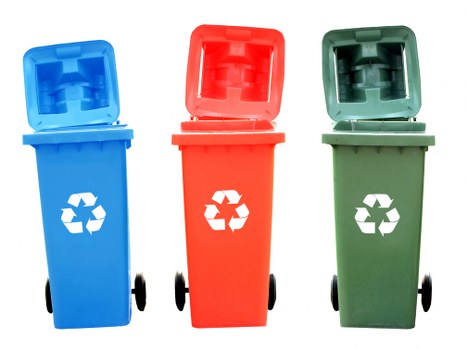 Purpose and scope: This Health and Safety policy sets out the standards and procedures for safe operation of commercial waste services provided by our rubbish collection and waste management teams. It applies to all employees, contractors and visitors involved in commercial rubbish Millbank activities, including waste collection, transfer, recycling and disposal services across the company's service area. The policy is designed to reduce risk, protect health, and maintain compliance with applicable regulatory requirements while avoiding excessive local detail.
Commitment and responsibilities
Management commits to providing a safe working environment and the necessary resources to achieve this. Managers are responsible for implementing safe systems of work, ensuring risk assessments are current, and that training is delivered and documented. Employees and operatives engaged in commercial waste disposal Millbank operations must follow safe procedures, use required PPE, and report hazards. Contractors must conform to the same standards when performing work on behalf of the company.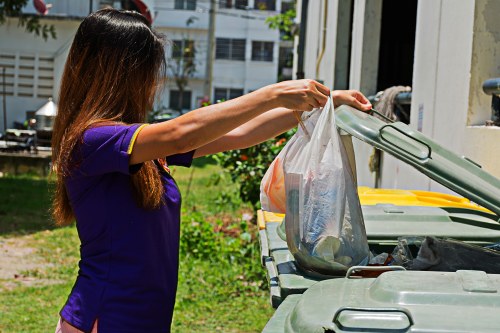
Risk assessment and safe systems
All activities are covered by documented risk assessments that identify hazards and specify control measures. Risk controls address vehicle operations, manual handling, sharps and hazardous waste, lone working, traffic management at commercial sites and route-specific risks encountered during rubbish removal Millbank services. Control measures will include engineering controls, administrative measures, and the provision of suitable and maintained equipment.Training and competence are essential. Staff receive induction, refresher safety training, and role-specific instruction for tasks such as bin lifts, compacting equipment operation, and hazardous materials handling for commercial rubbish removal services. Records of training and competency assessments are maintained. Supervisors will carry out routine checks and coaching to ensure safe behaviours and adherence to policy.
Personal protective equipment (PPE) is provided where risks cannot be eliminated and must be worn as required. Typical PPE includes high-visibility clothing, gloves appropriate for waste type, safety boots, eye protection and respiratory protection where dust or fumes are present. PPE selection matches the task and is inspected regularly, with replacements supplied as needed.
 Emergency procedures and first aid are in place for incidents ranging from vehicle collisions to hazardous material exposures and fire. The policy details reporting routes, isolation of hazards, containment of spills, and collaboration with emergency services. First aid provision and trained first aiders are available on-site or via rapid response arrangements for mobile crews engaged in waste collection or recycling operations.
Vehicle and plant safety: All refuse collection vehicles, compactors, lifting equipment and powered plant are maintained under a planned preventive maintenance regime. Pre-shift vehicle checks are mandatory for crews performing commercial collection and rubbish transfer duties. Drivers must be trained in load securement, reversing safety, and use of vehicle safety systems to prevent injuries and damage.
Manual handling and ergonomics: Manual handling risks are assessed and minimised through mechanical aids, two-person lifts and safe handling techniques. Staff involved in commercial waste management Millbank tasks are instructed in correct lifting posture, use of trolleys or hoists, and rotation of duties to reduce cumulative strain. Health surveillance is provided where exposure to specific risks warrants monitoring.
Segregation and hazardous waste management: Clear procedures control segregation of recyclable materials, general commercial refuse and hazardous wastes. Employees are trained on identification, safe containment, labelling and authorised transfer routes for hazardous streams. When hazardous incidents occur, the emergency plan is activated and incidents are reported through defined channels for investigation and improvement.
 Workplace behaviour and welfare: The company enforces standards of conduct to reduce risk, including safe driving policies, fatigue management, and prohibition of drugs and alcohol. Welfare facilities, rest breaks and mechanisms for reporting stress or wellbeing concerns are provided to support staff carrying out demanding rubbish collection and waste handling duties.
Contractor and site management: Subcontractors engaged for specialized waste services are required to demonstrate equivalent health and safety standards and evidence of competence. Pre-start briefings and site-specific risk information are provided to contractors working within customer premises to ensure consistent safe working across the service area.
 Monitoring, incident reporting and continuous improvement: All accidents, near-misses and unsafe conditions must be reported promptly. Incidents are investigated to identify root causes, implement corrective actions and share lessons across teams. Key performance indicators and routine audits drive continual improvement of the commercial waste and rubbish removal services, with documented reviews to ensure effectiveness of the policy.
Communication and consultation: Employees are consulted on health and safety matters and kept informed through toolbox talks, safety briefings and published procedures. A culture of active reporting and open communication is promoted so that hazards are addressed early and everyone contributes to safer operations in waste collection, transfer and disposal.
Policy review and legal compliance: The policy is reviewed at least annually or after significant change or incident. It is aligned with current statutory obligations and industry best practice while avoiding undue local specificity. Management will update procedures as required to reflect evolving risks and controls.
The overall objective is to maintain a robust health and safety framework supporting reliable, safe and sustainable commercial waste services across the company's service area. Accountability at all levels, clear procedures, ongoing training and active leadership ensure that rubbish management duties are completed without harm to people, property or the environment.
