Commercial Waste Millbank: Recycling and Sustainability Commitment
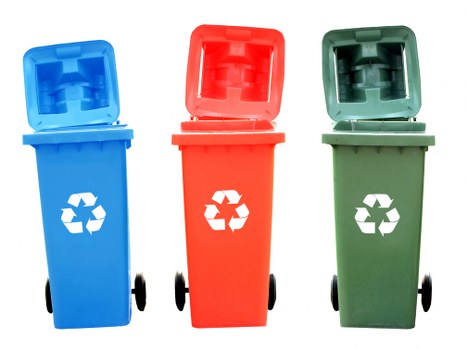
Commercial Waste Millbank delivers a practical, transparent approach to creating an eco-friendly waste disposal area for businesses across the riverside and surrounding boroughs. Our sustainable rubbish area model focuses on measurable results, collaborative logistics and targeted reuse. We combine modern collection methods with local partnerships to ensure waste is separated, reused and recycled according to best environmental practices. This page describes our targets, local transfer station links, charity partnerships and low-carbon vehicle strategy that together define Millbank's commercial recycling landscape.We work closely with borough collection schemes and local authority guidance to align commercial waste in Millbank with the kerbside separation principles many boroughs promote. That means encouraging separation of paper and cardboard, rigid plastics, glass, metal and food waste at source, supported by site-based containers and clear signage. By treating our serviced premises as extensions of the boroughs' recycling networks, our Millbank commercial recycling services reduce contamination and improve diversion rates while keeping the eco-friendly waste disposal area concept practical for businesses of all sizes.
Targets and Measurement: Recycling Percentage Target
Our formal recycling percentage target for commercial rubbish collection in Millbank is 70% diversion by 2030 for designated recyclable streams, with incremental milestones of 55% by 2026 and 63% by 2028. These figures cover dry recycling, organics and salvageable building materials collected from offices, retailers and hospitality sites. We report performance by weight and volume, and we implement waste audits to identify opportunities for increased separation. Key actions include staff training, dedicated receptacles and regular reporting to help businesses meet and exceed these targets.
Local Transfer Stations and Regional Hubs
Local transfer stations are central to efficient Millbank commercial rubbish logistics. We route segregated loads to neighbouring transfer facilities and materials recovery facilities (MRFs) that accept high-quality separated streams. These transfer stations reduce double-handling, shorten haul distances and enable better sorting for recycling. Tapping into nearby hubs supports our low-carbon routing plans and helps establish an integrated network that links the Millbank commercial recycling chain to regional processing capacity.

We prioritise transfer stations with robust environmental credentials and proven traceability systems. That ensures that mixed streams destined for recovery are audited and that residual waste is processed with energy-from-waste partners only when recycling options are exhausted. This approach reduces disposal costs for businesses while keeping the sustainable rubbish area principle at the heart of every collection.
Working alongside borough policies, our logistics team schedules frequent, smaller collections to keep sites tidy and reduce overflow that can lead to contamination. Collections are planned to match delivery and footfall patterns in the Millbank area, supporting retail and hospitality clients with after-hours pickups to minimise disturbance and maximise recycling capture rates.
Charity Partnerships and Reuse Initiatives
Our commitment to sustainable rubbish management extends beyond recycling percentages: we actively partner with local charities and social enterprises to divert reusable items from landfill. Items such as furniture, surplus textiles and working electronics are segregated for redistribution where safe and appropriate. Partnerships include scheduled charity uplift slots and pre-arranged pickups from commercial sites, creating social value while lowering the embodied carbon associated with new purchases.
- Furniture reuse programs for local shelters and community centres
- Clothing and textile redistribution through charity partners
- Working electronics refurbished and donated to training schemes
Low-Carbon Fleet and Sustainable Transport
To lower operational emissions across the commercial waste network, we increasingly deploy low-carbon vans and small electric collection vehicles tailored for inner-city streets. Our fleet mix includes battery-electric vans for short, frequent stops and Euro 6-compliant vehicles for heavier loads and longer runs. Route optimisation software reduces unnecessary mileage and consolidates pickups, while charging infrastructure coordination with local hubs supports the transition to an electric-first fleet.
By combining energy-efficient vehicles with smarter routing and scheduled transfers to accredited facilities, the overall carbon footprint of commercial waste in Millbank falls steadily. Regular monitoring of vehicle emissions, fuel consumption and recycling outcomes allows continuous improvement and transparent reporting against our 2030 diversion target. In partnership with borough initiatives and local charities, Commercial Waste Millbank offers a practical, scalable model for an eco-friendly waste disposal area that balances regulatory compliance, commercial convenience and measurable sustainability gains.
